
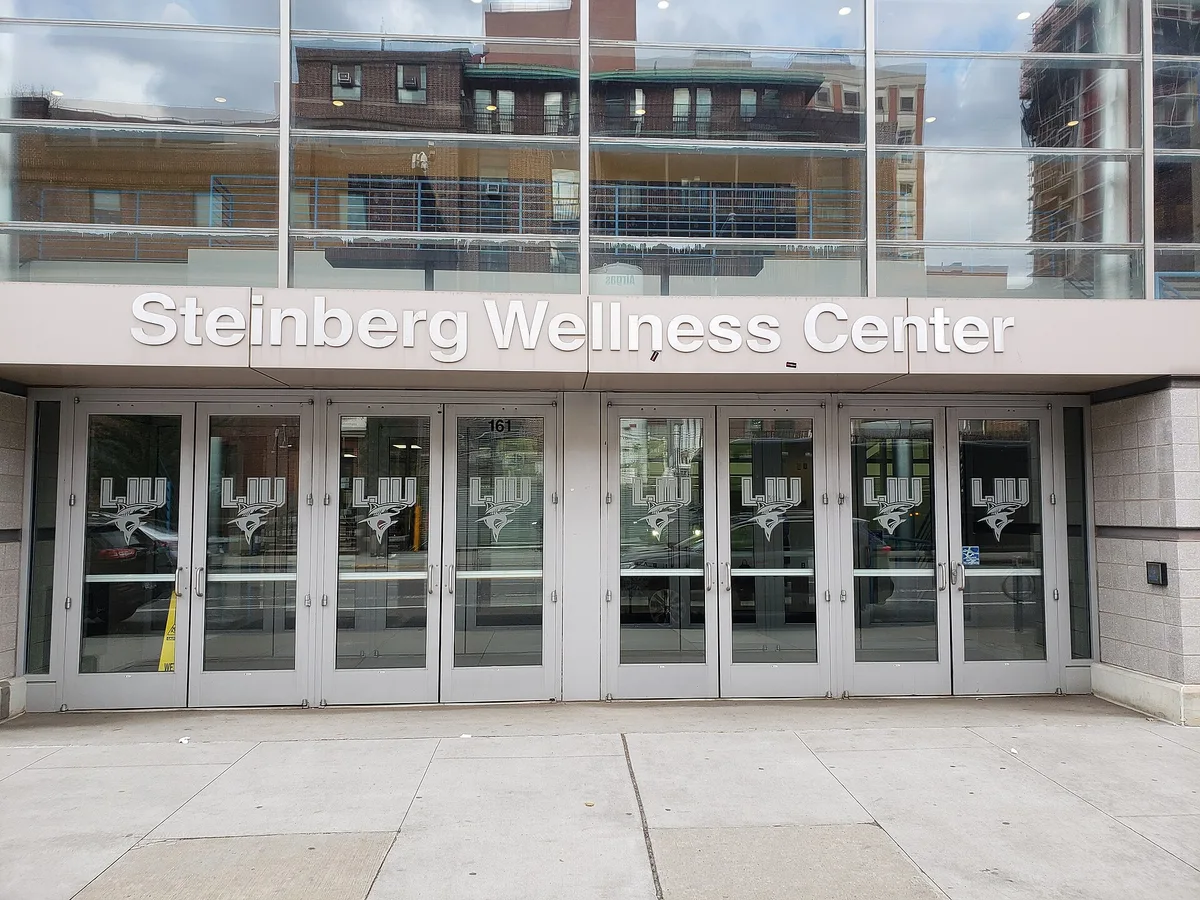
Choosing a wellness center is mostly a matching exercise. The right fit is the one whose services match your goal, whose credentials you can verify, and whose atmosphere makes you want to come back. The wrong fit is usually the one that asked you to sign a long commitment before you had answers to any of those three questions.
That last point matters more than most people expect. To choose, as the Cambridge Dictionary puts it, is to pick from several options — and a rushed pick is rarely the good one. Wellness centers know this, which is why the sales conversation often happens before the information conversation. This guide flips that order.
This is general information, not medical advice. If you have a health condition, an injury, or you're pregnant, any diagnosis or treatment decision belongs with your clinician — a wellness center staff member, however well trained, is not a substitute for one. With that said, here is how to evaluate a center before you commit.
What should you check before you even visit?
Start online, and start narrow. Most wellness centers — spas, fitness studios, med-spas, integrative health clinics — publish their service list, staff names, and pricing tiers. Read the services list first and ask one question: does this place offer the thing I actually want, or a long menu of things I might someday want? A center that does everything often does nothing especially well.
Next, look at how the staff are described. Vague titles like "wellness specialist" or "body technician" tell you little. Specific credentials — a license type, a certification body, a degree — are checkable. If the website doesn't name the qualifications behind a service, that's a fair question to bring to your visit, not a reason to skip it. Some excellent small centers simply have thin websites.
Finally, scan reviews for patterns rather than scores. A run of reviews mentioning the same specific problem — billing confusion, pressure to upgrade, unclean treatment rooms — carries more weight than a single glowing or furious one.
Which credentials actually matter?
It depends on the service, and this is where a little vocabulary helps. Ask whether the practitioners providing the service you want are licensed or regulated in their state, and if they say yes, ask for the license type and where you can verify it. Ask whether fitness instructors hold certifications from a national body rather than a license. Neither arrangement is a red flag by itself — but the person should be able to answer the question without hesitation.
Two things deserve extra caution. First, anyone offering to diagnose a condition, order treatment for one, or promise a specific result — clearer skin, weight loss by a date, a cure — is moving from wellness into medicine, and the claims should be treated accordingly. Second, proprietary titles and trademarked programs can sound impressive while meaning very little outside that brand. Ask what the training actually involved and how long it took.
A simple script works here: "What's your training for this, and is there a license or certification I can look up?" A good practitioner answers it easily. Hesitation is information too.
How do you judge the services and the vibe?
Book the cheapest entry point available — a single session, a trial class, a short consultation — before any membership talk. You're evaluating three things in one visit.
- Cleanliness and upkeep. Check the small surfaces: mats, handles, the space between appointments. A center that maintains details usually maintains the bigger ones.
- How staff handle your questions. Do they explain what a treatment involves and any risks, or move you toward the upsell? A pressure-free first visit is the strongest sign the pressure stays off later.
- Whether you'd return. This is the vibe question, and it's legitimate, not frivolous. Noise level, crowding, music, and whether staff remember names all shape whether a habit sticks.
That last point is the one people underweight. Our analysis: a center you dread visiting is a bad center for you, whatever its credentials. If you're deciding whether a particular service is worth doing at all, it's worth reading the evidence first — our pieces on Breathwork and Stress: What the Effect Sizes Actually Say and Cold Plunges, Examined: What the Science Supports and What It Doesn't are good starting points for two of the most common add-ons.
What does the contract really say?
Read the agreement before you sign, not after. The questions that matter are blunt and few: How long is the commitment? What does cancellation require — notice in writing, a fee, a visit in person? What happens if you move, get injured, or simply stop going? Are there automatic renewals, and when do they trigger?
Ask for the cancellation policy in writing, even if it's just a photo of the relevant page. Verbal assurances — "oh, we're flexible about that" — are hard to enforce later. In a city like New York, where people move apartments and change jobs often, the exit terms deserve as much attention as the welcome offer. A center confident in its service rarely needs to trap you in it.
One more practical step: check whether the contract distinguishes between pausing and canceling. A pause option is genuinely useful for travel or injury. Its absence, on the other hand, tells you the membership is designed around inertia.
What this means for your first month
Think of the first month as a test you're running, not a habit you've already formed. Set a simple bar before you join: for example, three visits in the first four weeks. If you hit it, the fit is probably real. If you don't, that's data too — and it's much cheaper to learn at the trial stage than six months into a contract.
Keep the scope small at first. One service you'll actually use beats a bundle of five you won't. And if your goal is sleep, stress, or general wellbeing rather than a specific treatment, remember that a center is one tool among many — our Wellness section covers the evidence on the habits themselves, from Sleep Consistency vs. Duration: Which One Matters More? to Morning Light and Your Body Clock: How Many Minutes You Actually Need. For related coverage, see Morning Light and Your Body Clock: How Many Minutes You Actually Need. For related coverage, see Morning Light and Your Body Clock: How Many Minutes You Actually Need.
The bottom line before you sign
The evidence here is mostly practical rather than clinical: your decision rests on verifiable credentials, a trial visit, and honest exit terms. What the checklist establishes is a floor — a center that clears it is safe to try. What it can't tell you is whether a specific treatment will deliver a specific result for you, and any center that claims certainty on that point is overselling.
So try one. Book the trial, ask the credential question, read the cancellation clause, and give it a month. If it fits, you'll know — because you'll still be going.